From Gardens to Gardens: Red Roses' Romantic Journey
Posted on 22/08/2025
From Gardens to Gardens: Red Roses' Romantic Journey
The enchanting allure of the red rose has captivated hearts and inspired poets, artists, and lovers worldwide throughout history. The journey of this beloved bloom begins in humble gardens and extends to cherished bouquets, grand celebrations, and symbolic tributes. As we unravel the story of red roses, their origins, symbolism, cultural significance, and the evolution of their place in human society, we discover why they are the eternal emblem of romance and passion.
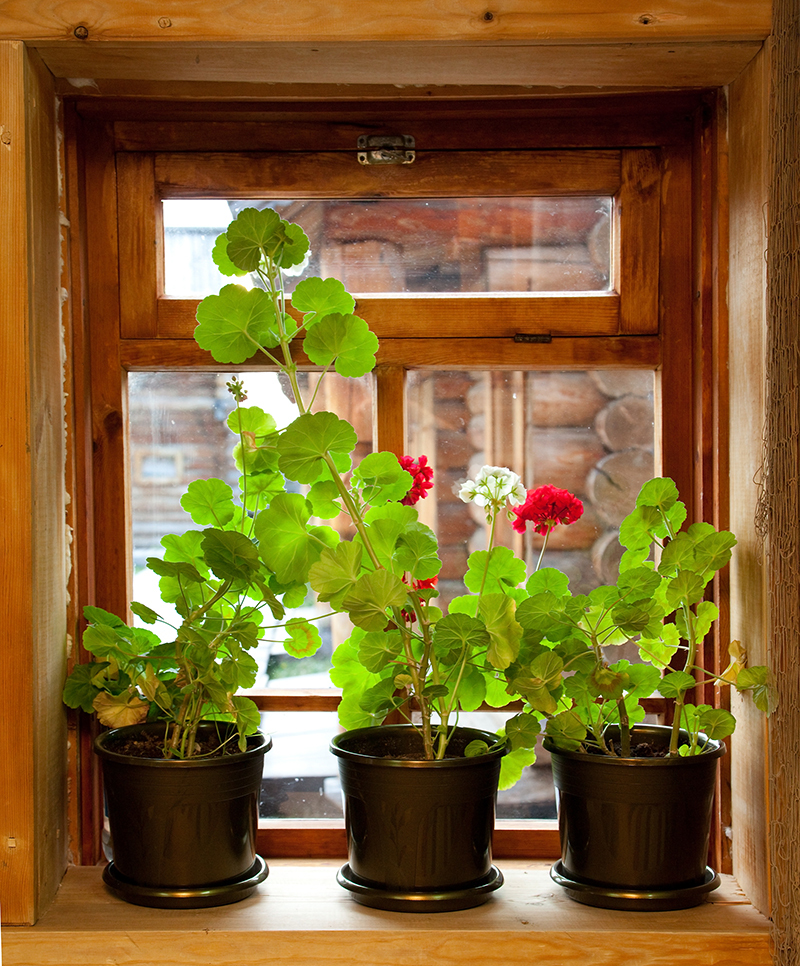
1. The Origins: Red Roses in Ancient Gardens
1.1. Rose Cultivation Through the Ages
Red roses (Rosa genus) are among the earliest flowers cultivated by humans. Their journey starts in the ancient gardens of Central Asia, where wild roses flourished. Evidence shows that Persians, Greeks, and Romans were among the first to cultivate these fragrant blossoms. These societies prized red roses for their beauty and used them in ceremonies, luxurious feasts, and as perfumed adornments.
- Persian Gardens: Early records note the cultivation of red and pink roses, with Persian poets praising their intoxicating scent and beauty.
- Roman Empire: Wealthy Romans established elaborate rose gardens, with red varieties used for decoration and medicinal purposes.
- Greek Mythology: The red rose was linked to Aphrodite, the goddess of love, further rooting its association with romance.
1.2. The Medieval and Renaissance Rose
During the Middle Ages, monasteries became the guardians of rose cultivation in Europe. Monks grew red roses in cloistered gardens, using the petals for medicinal balms and religious symbolism. Slowly, these gardens became centers of horticultural advancement.
- Wars of the Roses: In England, red and white roses symbolized the warring houses of Lancaster and York, weaving the red rose into the fabric of English heritage.
- Renaissance Revival: Roses blossomed in the royal gardens of Renaissance Europe, inspiring art, tapestries, and literature.
2. Red Roses as Symbols of Romance and Passion
2.1. Literary and Artistic Inspirations
Across cultures and centuries, the red rose's romantic journey is immortalized in poems, paintings, and music. Shakespeare famously referenced roses in numerous sonnets and plays, using them as metaphors for love, beauty, and fleeting passion. In visual art, red roses often appear in portraits to symbolize deep affection or the bittersweet nature of love.
- "A rose by any other name would smell as sweet"--William Shakespeare, Romeo and Juliet
- Painters like Pierre-Auguste Renoir and Henri Fantin-Latour celebrated red roses in vibrant still lifes.
2.2. The Language of Flowers
Victorian society popularized the "language of flowers" or floriography, assigning meaning to each bloom. A bouquet's arrangement and color expressed messages that words often could not. The red rose, above all, stood for true love and desire.
- Red Rose Bud: Symbolized young love or love just beginning to bloom.
- Full-Bloom Red Rose: Denoted mature, everlasting love.
This practice influenced modern traditions, making the red rose a staple in romantic declarations, especially on Valentine's Day and anniversaries.
3. Cultivating Red Roses: From Heritage to Modern Gardens
3.1. The Horticultural Journey of Roses
Red roses have undergone centuries of breeding to improve their color, fragrance, and form. Early breeders selected for vivid color and repeat blooming. Today, hybrid teas, floribundas, and climbers ensure that a deep, passionate red can grace any garden.
- Old Garden Roses: Such as the Gallica and Damask boast rich history and intense fragrance but often bloom once per season.
- Modern Hybrids: Like 'Mr. Lincoln' and 'Chrysler Imperial' offer large, velvety blossoms and repeat flower throughout the season.
- Climbing Varieties: Perfect for romantic archways and trellises, bringing vertical interest to gardens.
3.2. Tips for Growing Stunning Red Roses
With proper care, red roses can be the centerpiece of any outdoor space. Here are essential tips for ensuring your red roses thrive:
- Sunlight: Plant in an area with at least 6 hours of direct sunlight daily.
- Soil: Use well-drained, fertile soil rich in organic matter.
- Watering: Deep, infrequent watering encourages deep root growth. Avoid overhead watering to prevent disease.
- Pruning: Annual pruning encourages healthy growth and abundant blooms.
- Pest and Disease Management: Regular inspection and prompt treatment keep roses healthy and vibrant.
4. Red Roses in Modern Culture: From Gardens to Celebrations
4.1. Red Roses at Life's Milestones
Today, the romantic red rose is inseparable from life's most meaningful occasions, both grand and intimate. Whether marking a budding romance or honoring a life well-lived, red roses captivate with their symbolism.
- Weddings: Bridal bouquets and decorations often feature red roses, symbolizing passionate love and commitment.
- Valentine's Day: The peak day for red rose sales worldwide, as lovers express affection through dramatic, lush arrangements.
- Anniversaries: Red roses reaffirm lasting devotion and kindle new sparks.
- Funerals: A single red rose on a casket signifies undying love and remembrance.
- Gifting: From surprising a loved one "just because," to elaborate gestures, red roses gracefully convey emotion.
4.2. Red Roses in Literature and Film
Red roses feature prominently in countless movies, poems, and novels. They mark turning points in love stories, symbolize vulnerability, or act as tokens of apology. Whether strewn at a lover's feet or pressed between book pages, their visual and olfactory impact intensifies moments of connection.
- Beauty and the Beast: The single enchanted red rose acts as the heart's timer--when the last petal falls, all hope for love is lost.
- American Beauty: The film uses red roses as motifs to explore desire, beauty, and perception.
5. The Worldwide Appeal: Red Roses Across Cultures
5.1. Universality and Diversity of Red Rose Symbolism
While the red rose has deep associations with romance in Western cultures, its meaning stretches across continents and traditions:
- China: Red symbolizes happiness and prosperity; red roses are offered at weddings and festivals.
- Japan: While cherry blossoms dominate, red roses are given as gestures of gratitude and admiration.
- India: Red roses are offered in temples and incorporated in garlands for auspicious occasions.
- Middle East: Sufi poetry and art employ the red rose as a symbol of divine and earthly love.
In almost every language, gifting a red rose signifies deep respect, admiration, or passionate affection.
5.2. Red Roses as Symbols of Power and Political Emblems
Beyond romance, red roses have also become powerful emblems for political movements and national identities:
- England: The red rose is the national flower, especially the variety 'Red Lancashire'.
- Socialist Movements: The red rose has been adopted as a symbol by various socialist and social democratic parties worldwide, representing renewal and unity.
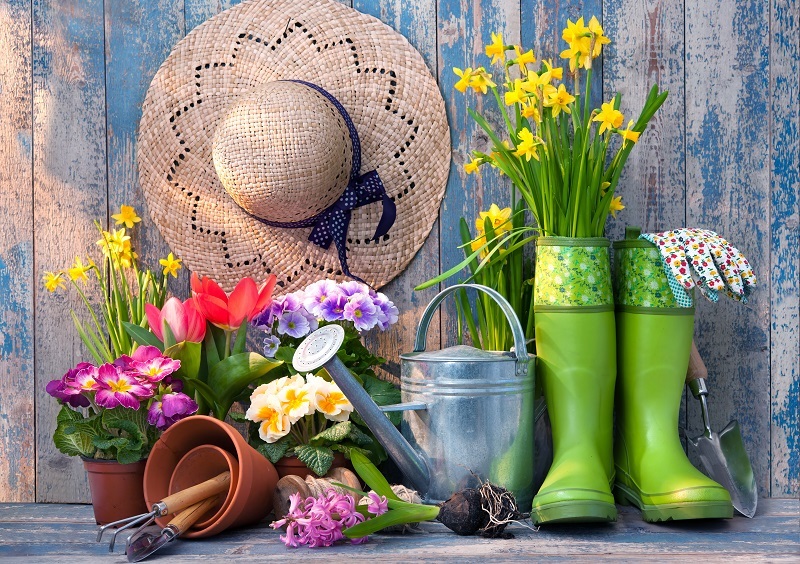
6. Sustainability and the Future: Caring for Red Roses and the Environment
6.1. Sustainable Rose Farming
As consumers grow more conscious of environmental impact, sustainable rose farming gains importance. Eco-friendly practices benefit both gardens and commercial growers:
- Organic Fertilizers: Reduce the use of chemical pesticides and synthetic fertilizers to improve soil health and biodiversity.
- Water Conservation: Employ drip irrigation and drought-tolerant rootstocks to reduce water usage.
- Local Sourcing: Choose roses grown nearby for fresher blooms and a lower carbon footprint.
Supporting sustainable growers ensures that the romantic journey of red roses continues for future generations.
6.2. Preserving Heritage Varieties
Many heritage red rose varieties face extinction due to modern hybridization. Gardeners and enthusiasts can help by planting, exchanging, and sharing these treasured cultivars. Botanical gardens around the world maintain collections, safeguarding genetic diversity and the unique stories each rose tells.
7. Conclusion: The Unending Journey of Red Roses
From ancient Persian gardens to your neighborhood florist, the romantic red rose endures as a universal ambassador of passion, beauty, and devotion. Its journey through history is painted in literature, felt in celebrations, and rooted in the soil of gardens past and present.
As you gift a red rose, plant one in your garden, or encounter this beloved flower in art and culture, you become part of a living tradition--one that transcends time, borders, and words. The story of the red rose's journey is, at its heart, the story of humanity's enduring quest for love and connection.
Key Takeaways on Red Roses' Romantic Journey
- Historic Significance: Red roses have symbolized love, power, and mystery across civilizations.
- Cultural Popularity: Their presence persists from gardens to celebrations worldwide.
- Gardening Value: Modern cultivars offer beauty, fragrance, and vibrant color.
- Sustainability: Eco-friendly practices preserve the red rose's legacy for new generations.
Frequently Asked Questions about Red Roses
-
Why are red roses considered the ultimate symbol of romance?
Red roses' association with love dates back thousands of years, rooted in mythology, art, and literature. Their color signifies passion, making them the go-to flower for declarations of affection. -
What is the best way to care for red roses in a garden?
Plant in full sun, water deeply, ensure proper drainage, prune annually, and protect from pests and diseases for the healthiest blooms. -
How long do red roses last after being cut?
Fresh-cut red roses typically last 7-10 days in a vase with clean water and proper trimming. -
Can I grow red roses indoors?
Yes, miniature red rose varieties can thrive indoors with ample sunlight and attentive care.
From gardens to gardens, the red rose's romantic journey remains timeless--an ever-blooming testament to beauty, emotion, and the connections that make us human.
Latest Posts
Ultimate Guide to Flower Arrangements for [AREA] Postcodes
Top 12 Long-Lasting Flowers that Stand the Test of Time
Transform Your Desk with these Low Care Office Plants