Wedding flowers for West Heath Hall and local venues
Posted on 27/09/2026
Planning Wedding flowers for West Heath Hall and local venues is one of those tasks that looks simple on the surface, then suddenly becomes very personal. The bouquets, buttonholes, table flowers, and ceremony arrangements are not just decoration. They set the mood the moment guests walk in, they soften a room, and they pull the whole day together. If you are marrying at West Heath Hall or somewhere nearby, you already know the setting matters. The flowers need to fit the room, the light, the timing, and your own style - all without turning the morning into a last-minute scramble.
This guide breaks down what to choose, how to plan it, what works well in local venues, and the small details that make a wedding feel polished rather than rushed. It is written for couples who want clarity, not fluff. And let's face it, on wedding mornings, clarity is gold.
- Why wedding flowers for West Heath Hall and local venues matter
- How the process works
- Key benefits and practical advantages
- Who this is for and when it makes sense
- Step-by-step guidance
- Expert tips for better results
- Common mistakes to avoid
- Tools, resources and recommendations
- Law, compliance, standards and best practice
- Options, methods and comparison table
- Case study or real-world example
- Practical checklist
- Conclusion
- Frequently asked questions
Why Wedding flowers for West Heath Hall and local venues Matters
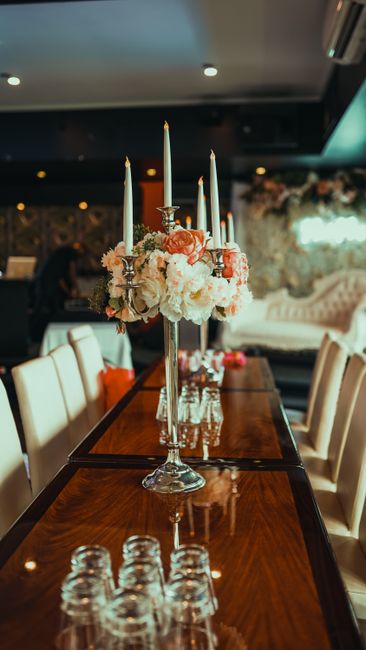
Flowers do more than look lovely in photos. They help define the atmosphere of a venue. At a place like West Heath Hall, where the character of the room and the flow of guests both matter, floral choices can either enhance the setting or fight against it. The same goes for nearby venues, whether they are traditional halls, boutique spaces, hotels, restaurants, or village-style settings with their own quirks.
That is why venue-aware wedding floristry is different from buying a few nice stems and hoping for the best. A tall arrangement can block sightlines. A heavily scented flower can overpower a smaller room. Pale flowers may disappear in bright daylight, while darker tones can feel dramatic in candlelit interiors. These are not tiny details, to be fair. They are the details that guests notice without quite knowing why the day feels so cohesive.
Wedding flowers also carry emotional weight. A bridal bouquet is often in every close-up shot of the day. Buttonholes appear in ceremony photos, family portraits, and those slightly awkward but treasured group images where everyone is trying to stand naturally. Table flowers are the quiet backdrop to the meal, conversation, and toasts. Even a single well-placed arrangement can make a room feel intentional.
For couples marrying in West Heath SE2 and the surrounding area, local planning also matters for practicality. Shorter travel distances help with freshness, set-up timing, and the simple reality that weddings rarely run to the minute. Local flowers and nearby delivery routes can make the entire process calmer. Calm matters. More than people admit.
How Wedding flowers for West Heath Hall and local venues Works
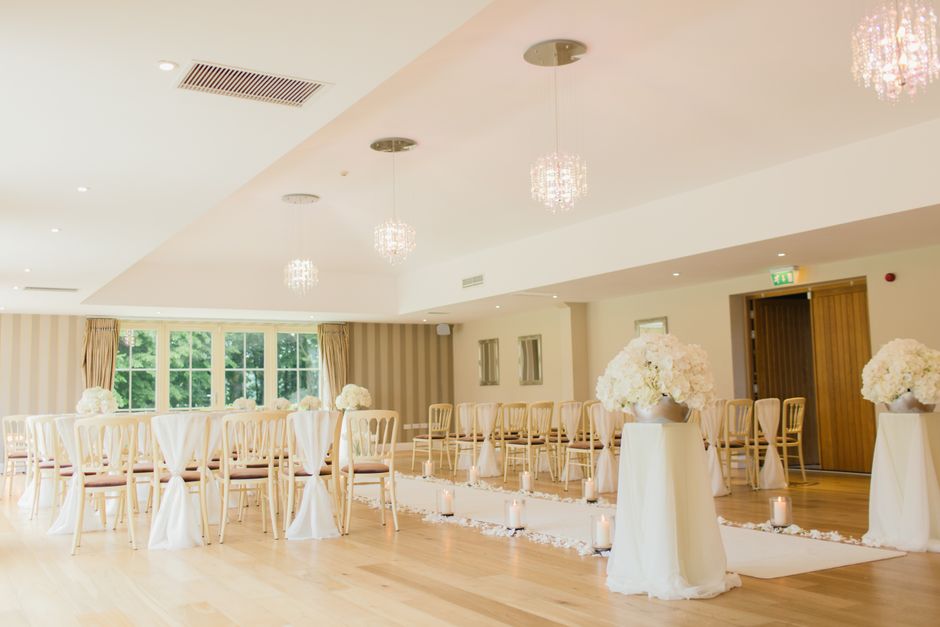
Wedding floristry usually starts with the venue, the date, and the style of the day. Once those basics are clear, the florist can shape a plan around seasonality, colour palette, flower availability, and the layout of the space. At West Heath Hall and similar venues, the room itself often gives strong clues: ceiling height, natural light, table shapes, entrance points, and whether the ceremony and reception happen in the same place.
The process often follows a simple pattern:
- Venue review - understanding the space, what needs decorating, and where flowers will actually be seen.
- Style discussion - deciding whether the look is classic, romantic, modern, abundant, understated, or something a bit mixed.
- Flower selection - choosing blooms that suit the season, the budget, and the venue's light and colour scheme.
- Design planning - matching bouquets, buttonholes, table arrangements, ceremony pieces, and any extras such as corsages or floral petals.
- Logistics - confirming delivery times, set-up access, and who is responsible for which pieces on the day.
- Final checks - making sure quantities, names, and timings are correct. This is the bit that saves you headaches later.
In practical terms, flowers for local venues need to be timed well. Some arrangements can be prepared the day before; others are best created closer to the event. A bridal bouquet, for example, should look fresh in the morning but still hold shape through the ceremony, confetti shots, and evening dancing. Table flowers need to work under both daylight and evening lighting. Not every arrangement has to be dramatic. Quite often, the smartest choice is the one that looks effortless.
If you are choosing from a florist's wedding range, it helps to think in layers: the bouquet, the bridal party flowers, the ceremony focal points, and then the reception styling. You can keep one part simple and let another do the talking. That balance tends to work well at local venues where the room already has personality.
Key Benefits and Practical Advantages
Good wedding flowers do a lot of quiet work. They guide the eye, soften hard edges, and help a venue feel like yours for the day. But the practical benefits matter too, especially if you are planning around a real budget and a real timetable. Here are the biggest advantages couples usually notice.
- A stronger visual theme - flowers connect dresses, stationery, tableware, and venue styling into one coherent look.
- Better photographs - bouquets, buttonholes, and centrepieces create colour and texture that work beautifully on camera.
- Useful structure for the venue - arrangements can help define the ceremony space, top table, welcome area, or guest tables.
- Flexible styling options - you can go bold, restrained, classic, seasonal, or romantic without changing the whole plan.
- Personal meaning - flowers can reflect family preferences, cultural traditions, favourite colours, or remembered loved ones.
- Local convenience - working with a florist familiar with West Heath and nearby venues can simplify delivery and set-up.
There is also a budget advantage that people sometimes overlook. A thoughtful floral plan often gives better results than buying more flowers than you need. One strong bouquet style, repeated across the bridal party and ceremony accents, can feel more polished than trying to cram every trend into one wedding. Truth be told, too much variety can get messy fast.
That does not mean everything should match perfectly. In fact, a little variation often feels more natural. A bridal bouquet might include softer blooms, while table pieces echo the same colours in a looser format. The result is rhythm, not repetition.
| Floral choice | Best for | Why it works | Things to watch |
|---|---|---|---|
| Hand-tied bridal bouquet | Ceremony and photos | Timeless, easy to carry, highly personal | Needs balance in shape and weight |
| Bridesmaid bouquets | Bridal party styling | Ties the colour scheme together | Should not overshadow the bridal bouquet |
| Buttonholes and corsages | Groom, groomsmen, family | Small detail, big visual impact | Need secure fastening and durability |
| Table arrangements | Reception styling | Creates atmosphere and continuity | Height and scent should suit the room |
| Ceremony flowers | Backdrop, entrance, aisle | Makes the ceremony space feel intentional | Venue access and placement rules matter |
Who This Is For and When It Makes Sense
This kind of wedding flower planning is for couples who want their venue to feel considered, not just decorated. If you are getting married at West Heath Hall, or at a local venue nearby, it makes sense when the flowers need to do more than simply "look nice." They might need to:
- match a particular colour story
- work around venue restrictions
- fit a seasonal or sustainability preference
- support a formal or intimate guest count
- coordinate with dresses, suits, and table styling
- reflect cultural, family, or sentimental choices
It also makes sense if you do not want to spend the morning arranging vases and fiddling with ribbon while everyone else is getting ready. That job has a way of appearing bigger than expected. A proper wedding florist takes that pressure off the day.
Local flowers are especially useful for couples who want a cleaner delivery plan. If the venue is close by, fewer journeys usually means less stress, less risk of damage, and more reliable timing. If you are having both ceremony and reception at the same venue, it can be a real advantage to plan flowers that transition smoothly from one part of the day to the next.
This approach is also a good fit for couples who are practical about spending. You do not need to cover every corner of the venue to make it feel beautiful. Sometimes a bouquet, a few strong ceremony pieces, and well-chosen table arrangements are enough. Enough, and then a little extra where it counts.
Step-by-Step Guidance
Here is a sensible way to plan wedding flowers for West Heath Hall and local venues without getting overwhelmed.
- Start with the venue layout. Walk through where guests will arrive, where the ceremony will happen, and where the reception details matter most. If you can picture the room from a guest's eye level, you are already ahead.
- Decide the floral priorities. Not every wedding needs large aisle arrangements or multiple statement displays. Pick the pieces that will be seen most: the bouquet, top table, ceremony focal point, and guest tables.
- Choose a colour direction. Soft whites, blush pinks, warm neutrals, rich reds, mixed seasonal tones - any of these can work if they suit the venue. The trick is to avoid a palette that fights the room.
- Match flowers to the season. Seasonal flowers usually look fresher and can feel more natural in the arrangement. They also tend to be easier to source in a way that feels practical, not forced.
- Agree the key items early. Bridal bouquet, bridesmaid bouquets, buttonholes, and table flowers should be decided before smaller extras. Otherwise the plan can drift, and budgets start doing strange things.
- Check delivery and set-up timing. A wedding morning moves quickly. The florist should know when access is available, where to park if needed, and who is receiving the flowers.
- Confirm the final list. Names, quantities, ribbon colours, and any personal touches should be checked again before the day. It feels tedious, yes. It saves stress though.
A useful rule of thumb: if a floral choice does not improve the room, the photos, or the feeling of the day, it may not need to be there. That is not a glamorous rule, but it is a good one.
For example, a couple planning a late-afternoon ceremony might choose softer arrangements for the daylight ceremony and richer table flowers for the evening reception. Another couple may prefer one strong statement bouquet style and smaller, consistent table arrangements. Both can work beautifully. The right answer is the one that fits the day you are actually having.
Expert Tips for Better Results
If you want your wedding flowers to feel polished at West Heath Hall or another local venue, a few practical details make a surprisingly big difference.
- Think in photographs, not just buckets of flowers. What looks full from above may disappear in a wide room shot. Ask how arrangements will read from guest height and camera height.
- Use one or two anchor flowers. A strong recurring bloom or texture can pull the entire design together.
- Be careful with scent. Some flowers smell gorgeous up close but can become heavy in a smaller room. Lovely in theory, less lovely by table three.
- Keep your bouquet comfortable. A bouquet that is too large or top-heavy is awkward to hold, and you will feel it during the ceremony.
- Plan for the evening light. Florals that look soft and delicate in daylight may need a bit more contrast once the room dims.
- Ask about vase or vessel style. The container matters. A modern glass vase, a low compote bowl, or a rustic container each changes the feel of the arrangement.
One of the best little tips I can give is this: keep a copy of the floral plan with the venue or coordinator, not just in your inbox. On the day, people are juggling music cues, seating, transport, cake, and about ten other things. A single printed note can save a lot of "where was that supposed to go?" moments.
And do not be afraid to say no to things you do not need. Extra florals are lovely, obviously, but not every beautiful thing belongs in every wedding. A confident edit usually looks more luxurious than overfilling the room.
Common Mistakes to Avoid
Wedding flower planning is easy to overcomplicate. The biggest mistakes are usually practical, not creative. Here are the ones that come up most often.
- Choosing flowers before understanding the venue. A concept that works in a grand hotel may not suit a compact hall or low-ceiling room.
- Ignoring the weather and timing. Warm travel days, long set-up windows, and late ceremonies all affect how flowers perform.
- Overloading the design. Too many flower types can make arrangements feel unfocused. Less can be more, honestly.
- Forgetting about transport. Some bouquets and arrangements need careful carrying. Not everything can be banged into a boot and hoped for.
- Leaving buttonholes and corsages to the last minute. These small items are easy to forget and very obvious when missing.
- Not confirming venue rules. Some venues have restrictions on candles, hanging florals, water containers, or what can be fixed to walls or furniture.
A quieter mistake is assuming every flower has to be at its peak from the moment it arrives. In reality, good wedding floristry is planned for a window of freshness, not a single instant. A florist worth listening to will know which flowers hold well, which ones are delicate, and how to balance the two.
Another common issue is underestimating how much the bouquet affects everything else. The bridal bouquet sets the tone for the entire design more often than people realise. If that one piece feels right, the rest usually falls into place more easily.
Tools, Resources and Recommendations
You do not need a dozen apps to plan your flowers. But a few simple tools and resources make decision-making far easier.
- Venue photographs - especially shots of the ceremony space, tables, entrance, and natural light conditions.
- Inspiration images - not to copy blindly, but to show shape, scale, and mood.
- Colour samples - ribbon, fabric swatches, stationery, or dress images can help a florist match tones properly.
- A written floral list - itemise what you need, who it is for, and how many of each piece.
- Delivery notes - venue contact, access times, parking instructions, and any set-up rules.
If you are choosing a florist range online, it helps to compare bridal, bridesmaid, buttonhole, and table pieces together rather than one at a time. That way you can see whether the collection feels consistent. A wedding collection such as i Cherish You wedding collection can be a good reference point for couples who want coordinated styling without starting from scratch.
For venue flowers specifically, look at pieces that create a complete room feel without overdoing it. A set of matching bridal bouquets, bridesmaid designs, and ceremony florals often works better than a scattered mix of unrelated arrangements. If you are planning a more classic look, the White Wonders wedding collection is a useful example of how a simpler palette can still feel elegant. If you want something more romantic and lush, Pure Romance wedding collection gives you that softer, more graceful direction.
And if your priority is a bridal bouquet that feels especially tailored, there are dedicated options such as i Cherish You bridal bouquet and The Perfect Match bridal bouquet. Those are useful starting points when you want the bouquet to anchor the whole floral plan.
For smaller bridal party details, buttonholes and corsages matter more than most people expect. They should sit neatly, last well, and feel comfortable to wear. A simple choice like white rose groom buttonhole or White Wonders bridesmaid bouquet can keep the styling refined and balanced. There is a pleasing simplicity to that.
Law, Compliance, Standards, or Best Practice
Wedding flowers are not a heavily regulated service in the way some industries are, but there are still sensible standards and best practices to follow. The most important are practical, not bureaucratic.
- Venue rules - always follow the venue's requirements on access times, install methods, candles, adhesives, or where decor may be placed.
- Health and safety - florals should not obstruct exits, create trip hazards, or block important sightlines for ceremonies and reception movement.
- Allergy awareness - if someone key is sensitive to scent or pollen, it is wise to plan around that carefully.
- Clear order confirmation - names, quantities, delivery times, and product choices should be checked in writing.
- Consumer expectations - fresh flowers are natural products, so small variations in tone, opening stage, and stem shape are normal.
In the UK, it is also normal for wedding suppliers to offer clear terms on payment, substitutions, cancellations, and delivery. Read those terms properly. Not exciting, I know. Still worth it. If you are booking in advance, make sure you understand what happens if a bloom is unavailable, how alternatives are handled, and whether the florist will make practical substitutions that preserve the overall look.
Best practice is to discuss any cultural or religious considerations early too. This is especially relevant for weddings where flower choice, colour symbolism, or the use of floral elements in ceremony areas may have meaning. A good florist will treat that carefully and without fuss.
Options, Methods, or Comparison Table
There is no single right way to approach wedding flowers. The best method depends on budget, venue size, and how involved you want the styling to be. Here is a practical comparison.
| Approach | Best for | Pros | Trade-offs |
|---|---|---|---|
| Minimal styling | Smaller weddings, tighter budgets | Simple, elegant, easy to manage | Less visual impact across the venue |
| Coordinated collection | Couples wanting a cohesive look | Easy to match bouquet, bridesmaids, and venue florals | Less room for very bespoke mixing |
| Statement ceremony design | Photo-focused weddings | Strong focal point and memorable backdrop | May require more budget concentrated in one area |
| Season-led florals | Natural, relaxed, sustainable-leaning weddings | Usually feels fresh and authentic | Colour or flower variety can be narrower |
| Luxury layered design | Large venue weddings, formal receptions | Rich texture and high visual impact | Needs more planning and usually more cost |
For West Heath Hall and nearby venues, a coordinated collection often works especially well because it gives you consistency without needing a huge number of individual decisions. That said, if your venue already has a lot of character, a simpler approach can sometimes look more elegant. A room with charm does not always need heavy dressing. Sometimes it just needs the right flowers in the right places.
Case Study or Real-World Example
Here is a realistic example based on the kinds of choices couples often make. Imagine a wedding at West Heath Hall with a late-morning ceremony, family photos in the afternoon, and a relaxed dinner reception later on. The couple wants something classic, soft, and not too fussy.
They choose a bridal bouquet built around white and blush tones, with a subtle mix of texture so it does not feel flat in photos. Bridesmaids carry smaller, lighter versions. The groom and close family wear simple buttonholes. Ceremony flowers are kept focused at the front of the room rather than scattered everywhere, which helps the space feel calm and elegant. Table arrangements are low enough for conversation and use the same colour family, so the room feels connected without shouting for attention.
What does that achieve? The venue still looks like itself. The flowers support the day instead of taking over. Guests can talk easily, photos look balanced, and nothing feels overworked. That is usually the sweet spot.
In another real-world style of wedding, a couple might want richer seasonal colour and a more atmospheric evening feel. They could use deeper tones in the bridal bouquet, stronger table pieces, and a slightly more dramatic focal arrangement. The structure stays the same, but the mood changes completely. Same venue, different story. That is the fun part of wedding flowers.
Sometimes a couple will walk into the room on the morning and say, quietly, "oh, that is exactly right." Those are the moments floristry is really working. Not loud. Just right.
Practical Checklist
Use this checklist when planning flowers for West Heath Hall or another local venue.
- Confirm the venue name, date, and access times
- Decide on your core colour palette
- Choose the bridal bouquet style first
- Match bridesmaid bouquets and buttonholes
- List the ceremony pieces you actually need
- Decide whether table flowers are low, tall, or mixed
- Check for venue restrictions on candles, hanging decor, or fixing items in place
- Consider scent and allergy sensitivities
- Confirm delivery instructions and the contact person on the day
- Ask how substitutions are handled if a stem is unavailable
- Review ribbon, vase, and finishing details
- Keep the final plan written down and easy to find
Expert summary: The best wedding flowers for West Heath Hall and local venues are the ones that respect the room, suit the season, and make the day feel calm rather than crowded. Start with the venue, choose the most visible pieces first, and keep the design consistent enough to feel intentional - but not so rigid that it loses warmth.
Get a free quote today and see how much you can save.
Conclusion
Choosing wedding flowers for West Heath Hall and local venues is really about balance: beauty and practicality, personality and structure, style and timing. When the flowers suit the venue, the whole day tends to feel more settled. Guests notice it. Photos capture it. You feel it, too.
Start with the room, build around the moments that matter most, and keep the plan focused on what will actually be seen and remembered. That approach gives you more control, less stress, and a result that feels thoughtful rather than overdone. And on a wedding day, thoughtful is a lovely thing to be.
When the bouquet is right in your hands and the room smells faintly of fresh stems, it all comes together in a way that feels quietly magical. That is the part worth planning for.
Frequently Asked Questions
What flowers work best for West Heath Hall weddings?
The best flowers depend on your season, colour scheme, and the look of the room, but roses, lisianthus, orchids, lilies, and mixed seasonal arrangements are all popular choices for a refined wedding style.
How far in advance should I book wedding flowers?
It is sensible to book as early as you can, especially for busy wedding dates. Early planning gives you better choice, more time to refine the design, and less pressure later on.
Can I keep wedding flowers simple and still make the venue look beautiful?
Absolutely. A simple plan with a strong bouquet, neat buttonholes, and a few well-placed arrangements can look more elegant than trying to cover every surface in flowers.
How do I choose flowers that match my venue?
Look at the room's colours, light, and size. A venue with strong character may suit softer florals, while a more neutral room can handle bolder arrangements. A florist can help translate that into a workable plan.
What should be in a wedding flower package?
Most couples start with the bridal bouquet, bridesmaid bouquets, buttonholes, and some form of ceremony or reception flowers. After that, you can add table arrangements, corsages, or floral extras as needed.
Are seasonal flowers a better option?
Often, yes. Seasonal flowers tend to feel fresher and more natural, and they can be a practical way to keep the overall design cohesive. They also help avoid forcing a look that does not suit the time of year.
Do wedding flowers need to match exactly?
No, and in many cases they should not. It is usually better for the bouquet, bridesmaid flowers, and table arrangements to sit within the same palette rather than being identical. A little variation feels more organic.
How do I avoid wedding flowers looking too crowded?
Focus on the most visible areas first, and avoid trying to fill every corner. Low arrangements, clear sightlines, and a limited colour palette usually create a cleaner result.
What if a flower I want is unavailable?
That happens from time to time, especially with natural products. A good florist will suggest substitutes that keep the overall look and feel intact rather than changing the whole design.
Do buttonholes and corsages really matter?
They do. These are small details, but they appear in photos and help the bridal party look coordinated. They also signal care, which guests tend to notice more than they realise.
Can flowers be moved from the ceremony to the reception?
Yes, often they can. This is a practical way to get more use from your floral budget, especially if the ceremony and reception happen in the same venue or nearby spaces.
What is the best way to keep wedding flowers within budget?
Prioritise the bouquet, a few focal arrangements, and the flowers that will be seen most. Using a cohesive collection and limiting unnecessary extras is usually the simplest way to stay in control of spend.
Should I choose flowers based on photos or in person?
Both matter. Photos help you understand style and scale, but an in-person discussion or venue-aware plan gives a better sense of how the flowers will actually work in the space. If possible, use both.