Expert Advice on Maintaining Cut Flowers
Posted on 14/06/2025
Expert Advice on Maintaining Cut Flowers: Keep Your Blooms Fresher for Longer
Cut flowers are a simple yet beautiful way to brighten up your home, commemorate special occasions, or surprise a loved one. However, without proper care, even the most vibrant bouquets of cut flowers can wilt and lose their luster far sooner than expected. Luckily, with expert tips and a few easy steps, you can extend the life of cut flowers dramatically and keep them looking fresh, fragrant, and fabulous.
Why Maintaining Cut Flowers Matters
Whether you're a floral enthusiast, a frequent recipient of flowers, or you enjoy picking wildflowers, understanding the science behind cut flower care is crucial. Not only does proper flower preservation maximize the longevity of your arrangement, but it also saves money and reduces waste. Well-maintained flowers can last anywhere from a week to two weeks or longer--giving you even more time to enjoy their beauty.
Prepping Your Vase and Tools
Cleanliness Is Key
Before arranging your fresh cut flowers, always start with a clean vase. Bacteria present in dirty vases is the number-one culprit behind premature drooping and decay. To ensure maximum freshness:
- Thoroughly wash your vase with hot, soapy water.
- Rinse well to remove any soap residue.
- Sanitize with a tiny splash of bleach or white vinegar, then rinse again.
Get the Right Tools
- Use sharp, clean flower shears or scissors--dull blades can crush stems, making it harder for flowers to absorb water.
- Have a measuring cup handy for preparing flower food.
Expert Steps for Cutting and Conditioning Your Flowers
How you prepare cut flowers makes a world of difference. Follow these expert-guided steps:
1. Cut Stems at an Angle
With your clean shears, cut each flower stem at a 45-degree angle. This increases the surface area for water uptake and prevents stems from resting flat on the vase bottom, which can impede absorption.
2. Remove Foliage Below Waterline
- Any leaves submerged in water will rot quickly, promoting bacterial growth.
- Strip off foliage so that only stem sits in water.
This simple step can double the life of your fresh cut flower arrangements.
3. Place in Water Immediately
After trimming, immediately transfer flowers into clean, lukewarm water. If left dry even for a few minutes, air can get trapped in stems, blocking the uptake of water. Professionals always recommend working on one stem at a time for optimal cut flower longevity.
Choosing and Mixing the Right Flower Food
Expert florists always provide flower food for a reason--it's vital to prolonging the beauty of fresh-cut flowers. The best flower preservative contains:
- Sugar - Nourishes the blooms.
- Citric acid - Balances the pH and keeps water clear.
- Bleach or bactericide - Prevents growth of harmful microorganisms.
DIY Flower Food Recipe
If you run out of commercial flower food, mix your own:
- 2 cups water
- 2 tablespoons lemon juice or white vinegar
- 1 tablespoon sugar
- 1/2 teaspoon bleach
Stir until dissolved. Change the solution every 2-3 days for best results.
Tips on Water Quality and Placement
Use Fresh, Room-Temperature Water
Replace the vase water every other day to prevent bacteria from multiplying. Always use fresh, room-temperature water--cold water can shock stems, while hot may damage them.
Location, Location, Location
Where you place your arrangement is just as important as how you prepare it. Expert advice on cut flowers maintenance recommends:
- Keep flowers in cool, shaded spots.
- Avoid direct sunlight, which causes rapid dehydration.
- Don't display near heating vents, fireplaces, or electronic devices.
- Keep away from ripening fruit--fruits emit ethylene gas that speeds flower aging.
Special Care for Different Types of Cut Flowers
Not all flowers are created equal--some require more specialized care for maximum shelf life. Here's how to handle popular varieties:
Roses
- Re-cut stems underwater to avoid air bubbles.
- Remove guard petals (outermost petals that may look blemished).
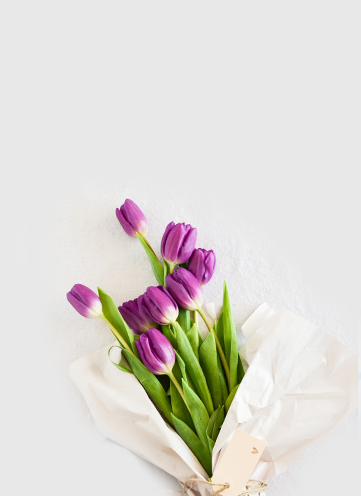
Tulips
- Keep tulips in shallow water and add only a small amount of flower food.
- Tulips continue to grow after being cut--trim every few days to keep stems upright.
Hydrangeas
- Hydrangea stems are very thirsty--submerge stems in water for several hours if they wilt.
- Smash the ends of woody stems to help them drink more.
Lilies
- Remove pollen-carrying stamens with a tissue to prevent stains.
- Handle with care to avoid bruising delicate petals.
Daily Maintenance and Flower Arrangement Tips
Refresh the Water Regularly
Changing the water every 2 days is one of the most impactful things you can do to keep cut flowers fresh. Each time you change the water:
- Wash and rinse the vase well to remove bacteria.
- Add new flower food for continued nourishment.
- Re-cut stems slightly so they absorb water better.
Reshape and Prune as Needed
As some blooms fade, remove wilting flowers promptly to prevent decay from spreading. You can also rearrange the remaining blooms for a refreshed look.
Rotate the Arrangement
If your display receives natural light, rotate the vase a quarter turn daily to ensure even exposure and prevent flowers from bending toward the light.
Common Mistakes in Cut Flower Maintenance
Even with good intentions, people often make critical errors that shorten the life of their beautiful bouquets. Avoid:
- Ignoring water changes - Dirty water is a haven for bacteria.
- Using too much flower food - Overdosing can burn stems.
- Placing arrangements near fruit bowls - The ethylene gas will sabotage your blooms.
- Neglecting to trim stems every few days - This allows blockages to form, stopping water absorption.
- Leaving leaves under water - Promotes decay and cloudiness.
Prolonging Cut Flower Life: Advanced Tips from Florists
- Use filtered or distilled water: Some tap water contains chlorine, fluoride, or minerals that harm sensitive blooms.
- Try a fridge trick: Overnight refrigeration can extend the bouquet's freshness.
- Mist delicate petals with water using a spray bottle, especially in dry climates.
- Add a few drops of vodka or bleach to stave off bacteria growth, but be careful not to use too much.
Remember, different flowers respond to additives differently. Always test on a few stems first!
Eco-Friendly Cut Flower Maintenance
Sustainability is as important as beauty. Consider these eco-friendly practices:
- Reuse vases and containers instead of purchasing new ones.
- Use biodegradable ingredients in homemade flower food.
- Compost faded blooms and stems instead of throwing them away.
- Support local growers who use sustainable, low-impact practices.
Frequently Asked Questions on Maintaining Cut Flowers
How long should cut flowers last with proper maintenance?
With diligent, expert care, most fresh-cut flower arrangements will last 7-14 days, and robust varieties like chrysanthemums can last up to 3 weeks.
Does aspirin really help keep cut flowers fresh?
Aspirin (acetylsalicylic acid) helps lower pH, which can sometimes benefit certain flowers, but proper nutrition and bacterial control are more effective.
Is it safe to mix different flower types in one vase?
Yes, but be aware that some flowers (like daffodils) release compounds into the water that shorten the life of others. It's best to keep those solo or change water frequently.
Conclusion: Keeping Your Cut Flowers Looking Their Best
With this comprehensive guide to maintaining cut flowers, you have all the knowledge you need to keep your bouquets fresh, fragrant, and beautiful for as long as possible. Success is all about clean tools, fresh water, the right flower food, and smart placement. By following these expert strategies, not only will you make your cut flowers last longer, but you'll also brighten your space and create lasting memories.
Dive into the rewarding world of cut flower care--your blossoms (and your guests) will thank you!