7 Fascinating Things You Didn't Know About Tulips
Posted on 14/08/2025
7 Fascinating Things You Didn't Know About Tulips
Tulips--with their vibrant colors, elegant shapes, and rich history--are some of the world's most beloved flowers. While almost everyone recognizes a tulip's iconic bloom, fewer people know about the secrets and stories these charming flowers harbor. Whether you're curious about interesting facts about tulips, aiming to deepen your appreciation for your garden's boldest springtime star, or just want to uncover something new, you're in the right place. In this article, we'll delve into seven fascinating things you probably didn't know about tulip flowers.

The Remarkable History of Tulips
Tulips are often associated with Holland, but their journey to European fame is an adventure full of unexpected twists and turns. Tulips originated not in the Netherlands, but in the vast mountainous regions of Central Asia. The first wild tulips are believed to have grown in present-day Kazakhstan, Afghanistan, and the surrounding areas.
How Did Tulips Reach Holland?
It was in the 16th century that these exotic blooms made their way westward. The Ottoman Empire took a keen interest in tulips, using them as a symbol of abundance and indulgence. Sultan Suleiman the Magnificent was particularly obsessed, and the tulip became a centerpiece in Ottoman gardens and festivals. It was from Turkey that European diplomats and travelers brought the first tulip bulbs to the Netherlands, forever changing the country's horticultural landscape.
- Fun Fact: The word "tulip" is believed to have come from the Persian word "dulband", meaning turban, inspired by the flower's turban-like shape.
Tulip Mania: The First Economic Bubble
One of the most intriguing tulip facts lies in their economic impact. In the 17th century, the Netherlands experienced an extraordinary period known as Tulip Mania. During this time, the price of tulip bulbs soared to dramatic heights, sometimes costing more than an entire house!
What Caused Tulip Mania?
As tulips grew in popularity and rare varieties became highly sought after, speculation took over. People from all walks of life traded tulip bulbs as investments. In the peak winter of 1636-1637, a single bulb of the coveted Semper Augustus variety could fetch 10 times the annual income of a skilled craftsman.
- The bubble burst in February 1637, causing prices to plummet and leaving many ruined. The event is often regarded as the first recorded economic bubble in history.
Tulip Mania remains a lesson in financial history--and a testament to the power of even the humblest flower to captivate a nation.
Tulips Are Edible--But With a Caveat
Surprisingly, tulips are not just pretty to look at--they are technically edible flowers. During the hunger-filled winter of World War II, the Dutch found themselves with little to eat and began using tulip bulbs as a last resort food source.
Are Tulips Safe to Eat?
While tulip bulbs and petals can be consumed, caution is essential. Some parts, especially the bulbs, can cause stomach upset or allergic reactions in sensitive individuals. If you wish to try eating them, ensure the flowers have not been treated with pesticides or chemicals.
Did you know? Some creative chefs use tulip petals as garnishes or even as cups for serving appetizers!
- Never eat tulips from a florist or nursery unless certified food-safe.
- Tulip bulbs may cause toxicity in pets and livestock.
- Tulip petals are milder and more likely to be used in culinary applications.
There Are Over 3,000 Tulip Varieties
Another fascinating fact about tulips is the incredible diversity they boast. Today, botanists recognize more than 3,000 registered varieties of tulip flowers, grouped into 15 different classes.
The Wide World of Tulips
Tulip varieties differ not just in color--ranging from the deepest purples to purest whites--but also in shape, size, bloom time, and even fragrance.
- Single Early: Classic, cup-shaped tulips that bloom at the start of spring.
- Double Late (Peony Tulips): Full, ruffled petals resembling peonies.
- Parrot Tulips: Unusual, frilled petals with striking color stripes.
- Lily-flowered Tulips: Elegant, narrow blooms with pointed tips.
- Viridiflora Tulips: Noted for their unusual green streaks.
With so many choices, gardeners can find a tulip species for virtually every style and climate.
Tulips Symbolize More Than Love
Most people associate tulips with love and romance, but their symbolism is far richer. Across history, cultures have imbued tulips with an array of meanings based on their colors and contexts.
The Secret Language of Tulip Colors
- Red Tulips: Declare true love and passion.
- Yellow Tulips: Once signified jealousy, but now represent cheerful thoughts and sunshine.
- White Tulips: Stand for purity, forgiveness, and respect.
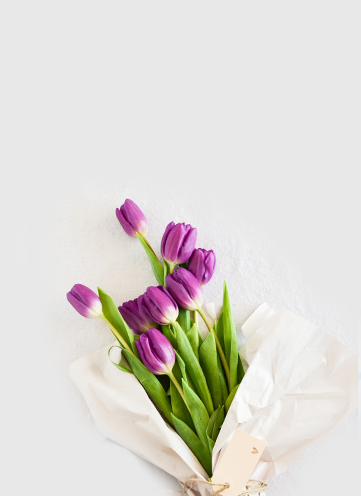
- Purple Tulips: Historically the flower of royalty and nobility.
- Black Tulips: Rare and mysterious, symbolizing power and sophistication.
Tulips have also inspired literature and art for centuries, undulating through classic paintings, Persian poetry, and even contemporary design.
Tulips Can "Move" to Catch the Light
One of the most surprising tulip facts comes from their unique biology. Tulips are heliotropic, meaning their blooms have the ability to track the sun. Throughout the day, tulip heads subtly reorient themselves to maximize light exposure.
Why Do Tulips Follow the Sun?
This movement ensures the flowers photosynthesize efficiently, enhancing growth and reproduction. It's also why cut tulips in a vase may continue to "grow" and bend toward the nearest light source--even after being picked!
- Pro Tip: If you want your tulip bouquet to stay upright in a vase, rotate it periodically or use floral support.
Tulips Are a Global Phenomenon
While Dutch tulips are most famous, tulips have spread to gardens and wild landscapes around the globe. They bloom on nearly every continent except Antarctica, adapting to diverse conditions from Mediterranean hillsides to Canadian parks.
Tulip Festivals and Celebrations Worldwide
Every spring, cities and countries with a love for tulips host vibrant festivals to celebrate these blooms:
- Keukenhof Gardens (Netherlands): Known as the 'Garden of Europe,' displaying millions of tulips each season.
- Canadian Tulip Festival (Ottawa): Celebrates a gift of tulip bulbs from the Dutch royal family after World War II. Now one of the world's largest tulip festivals.
- Istanbul Tulip Festival (Turkey): Reflects the flower's Ottoman heritage, with parks filled with breathtaking displays.
- Skagit Valley Tulip Festival (USA): In Washington state, drawing visitors from all around North America.
These festivals not only showcase the dazzling diversity of tulip blooms, but also highlight their role as enduring symbols of hope, resilience, and beauty.
Conclusion: The Enduring Allure of Tulips
From their ancient origins and colorful symbolism to economic history, culinary surprises, and botanical marvels, tulips offer much more than meets the eye. Next time you admire a tulip's striking petals or pass by a field ablaze with color, take a moment to reflect on the remarkable journey tulips flowers have traveled--and the stories they continue to inspire.
Whether you're a seasoned gardener, a history buff, or simply a lover of nature, there's always something new to discover about these enchanting blooms. Let the magical world of tulips add a splash of wonder to your day!
Key Takeaways: 7 Things You Didn't Know About Tulips
- Tulips originated in Central Asia, not Holland
- The 17th-century Tulip Mania was the first recorded economic bubble
- Tulips are edible--sometimes used as food in emergencies
- There are more than 3,000 unique varieties of tulips
- Their symbolism goes far beyond romance, including royalty and forgiveness
- Tulip blooms can move to follow the light--even after cutting
- Tulips are celebrated around the world, from the Netherlands to North America to Turkey
Curious to learn more fascinating flower facts? Keep exploring our site for deeper dives into the world's most beautiful and storied blooms!